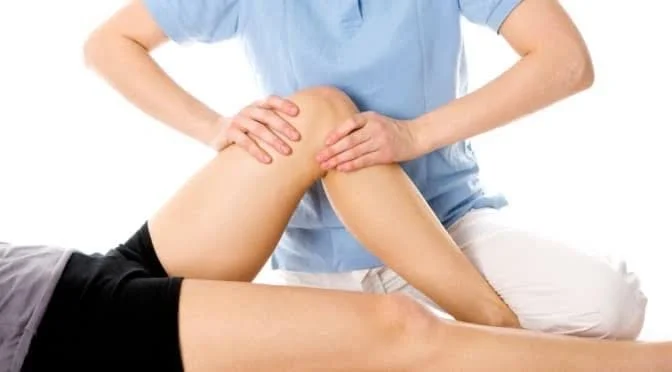
Reclaim Your Mobility: Comprehensive Knee Pain Treatment in Winnipeg and How Deep Tissue Massage Accelerates Recovery
Knee pain is one of the most common physical ailments affecting people of all ages and activity levels. Whether you are an avid runner pounding the pavement, an athlete on the field, someone managing the gradual wear-and-tear of arthritis, or recovering from a major surgical procedure, a compromised knee can abruptly halt your daily routine. Walking, climbing stairs, driving, and simply getting out of a chair transform from automatic movements into painful hurdles.
For residents seeking effective, non-invasive relief, finding targeted care is essential. At Charleton’s Healing, a holistic approach to wellness pairs therapeutic expertise with targeted bodywork. If you have been searching for specialized knee pain treatment in Winnipeg, integrating clinical bodywork—specifically deep tissue massage administered by a skilled massage therapist in Winnipeg—offers a powerful pathway toward natural healing, pain reduction, and restored mobility.
Understanding the Complex Mechanics of Knee Pain
To understand why therapeutic bodywork is so effective, it helps to understand the knee joint itself. The knee is a hinge joint subjected to immense loads every single day. It relies heavily on a complex network of bones, cartilage, ligaments, tendons, and surrounding musculature to maintain stability and range of motion.
Because the knee sits directly between the hip and the ankle, it is often a victim of biomechanical issues originating elsewhere in the lower kinetic chain. Tight hips, restricted ankles, and muscular imbalances place abnormal stress on the knee joint. When pain flares up, treating only the localized site of discomfort is rarely enough. True recovery requires addressing the surrounding soft tissues, improving joint mechanics, and reducing inflammation throughout the entire lower extremity.
Key Conditions Benefiting from Specialized Knee Recovery
Knee pain manifests in many different ways depending on the underlying cause. Targeted soft tissue therapy provides significant relief for several prevalent conditions:
1. Runner’s Knee (Patellofemoral Pain Syndrome)
Despite its name, runner's knee affects far more than just runners. It occurs when the patella (kneecap) tracks improperly over the groove at the end of the thigh bone, leading to dull, aching pain around or under the front of the knee.
The Cause: Often driven by tight quadriceps, weak hip abductors, or overworked IT bands (iliotibial bands) that pull the kneecap out of alignment.
The Massage Solution: A professional Massage therapist Winnipeg can release hypertonic quadriceps and relieve tension along the IT band, restoring proper patellar tracking and reducing friction on the joint.
2. Osteoarthritis and Degenerative Joint Wear
Osteoarthritis is a degenerative condition where the protective cartilage cushioning the ends of bones wears down over time. This leads to stiffness, swelling, and grinding sensations.
The Cause: Aging, previous joint injuries, genetic factors, and chronic mechanical overload.
The Massage Solution: While massage cannot regenerate cartilage, it combats the secondary muscular guarding that occurs when chronic pain sets in. By loosening stiff hamstrings, calves, and quads, bodywork reduces the compressive loads placed directly on the arthritic joint.
3. Post-Surgery Rehabilitation
Joint arthroscopy, ligament reconstruction (such as ACL repairs), and knee replacement surgeries are major physiological events. Post-surgical recovery involves prolonged immobilization, scar tissue formation, and muscle atrophy.
The Cause: Surgical trauma and postoperative healing processes.
The Massage Solution: Once incisions are fully healed and cleared by a physician, specialized soft tissue therapy helps break down restrictive scar tissue, minimizes fascial adhesions, and stimulates lymphatic drainage to flush out residual postoperative swelling.
4. Sports Injuries and Acute Trauma
Sprains, strains, and overuse injuries are occupational hazards for active individuals. Ligament tears and tendonitis disrupt stability and cause immediate localized inflammation.
The Cause: Sudden pivoting, direct impact, overexertion, or repetitive strain.
The Massage Solution: During the sub-acute and rehabilitation phases of a sports injury, deep tissue techniques accelerate tissue repair by increasing localized blood circulation, delivering fresh oxygen and nutrients to damaged fibers while clearing out metabolic waste.
5. Sciatica and Referred Lower Extremity Pain
Not all pain originating in the leg actually stems from the knee. Sciatica—caused by compression or irritation of the sciatic nerve—frequently refers pain down the posterior chain, sometimes masquerading as or compounding knee discomfort.
The Cause: Compression of the sciatic nerve roots in the lower back or entrapment by the piriformis muscle in the gluteal region.
The Massage Solution: Decompressing the glutes, hip rotators, and lower back relieves the nervous system tension that radiates down into the knee area, resolving symptoms that localized knee treatments fail to touch.
How Deep Tissue Massage Accelerates Knee Recovery
When looking for comprehensive Knee pain treatment Winnipeg, integrating deep tissue massage into your health regimen provides several distinct mechanical and physiological advantages:
Breaking Down Adhesions and Scar Tissue: Trauma, surgery, and chronic friction create microscopic knots and adhesions in the fascia and muscle fibers. Deep tissue manipulation applies sustained pressure using slow, deliberate strokes to break up these fibrous bands, restoring elasticity to the tissue.
Improving Joint Range of Motion: When muscles surrounding the knee are locked in a chronic state of contraction, they restrict joint movement. Relaxing these tissues allows the knee to move smoothly through its full functional arc.
Enhancing Blood Circulation: Deep tissue techniques dilate blood vessels and improve microcirculation. This surge of blood brings vital nutrients and white blood cells to damaged areas while accelerating the removal of lactic acid and inflammatory byproducts.
Regulating Nervous System Tone: Chronic pain keeps the nervous system trapped in a sympathetic "fight-or-flight" response, which heightens pain perception and increases muscle guarding. Therapeutic touch activates the parasympathetic nervous system, lowering stress hormones and relaxing the muscular guarding response.
What to Expect During a Session at Charleton’s Healing
Choosing the right practitioner is critical for achieving lasting results. At Charleton’s Healing, every treatment plan begins with a thorough assessment of your posture, gait, medical history, and specific pain patterns.
Your session will not focus solely on the kneecap. Instead, your therapist will evaluate the entire kinetic chain—examining your hips, pelvis, thighs, calves, and feet to identify the root causes of dysfunction. Using targeted deep tissue techniques, trigger point therapy, and myofascial release, the treatment is tailored specifically to your pain tolerance and recovery goals. Clients also receive personalized guidance on home stretches, strengthening exercises, and ergonomic adjustments to maintain progress long after leaving the clinic.
Conclusion
Living with chronic or acute knee pain limits your freedom, dampens your vitality, and alters your posture, often creating a cascade of secondary compensatory pains in your back, hips, and opposite leg. You do not have to accept persistent discomfort as a permanent part of your life.
By combining proactive rehabilitation with expert bodywork, you can restore structural balance and mechanical harmony to your lower body. If you are ready to take the next step toward a pain-free lifestyle, explore professional care options today. Visit Charleton’s Healing to schedule an appointment with an experienced massage therapist in Winnipeg and discover how targeted Deep tissue massage therapy can transform your recovery journey.