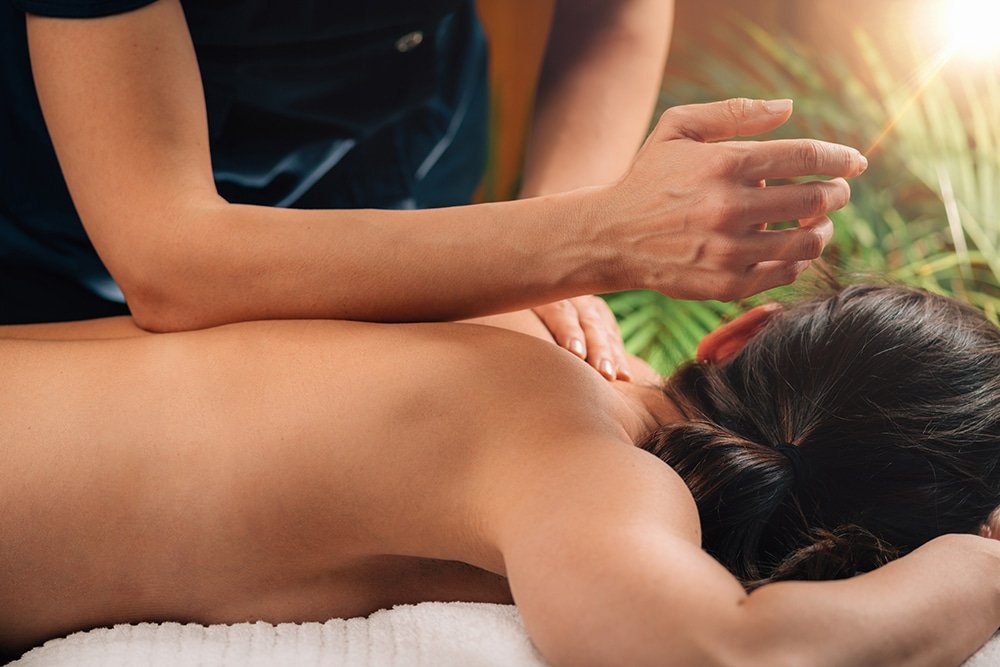
Taking care of your body involves more than getting enough sleep or finding time to relax after a busy day. Long working hours, repetitive movements, physical activity, poor posture, and everyday stress can contribute to muscle tightness and discomfort. Massage therapy offers a personalized way to support relaxation, improve body awareness, and address areas of tension. For people seeking a more attentive approach to physical wellness, finding the best massage therapist in Winnipeg can be an important step toward building a healthier routine.
At Charelton's Whole Body Healing, massage therapy focuses on individual needs rather than applying the same treatment to everyone. With extensive experience in therapeutic bodywork, Charelton Kubera combines massage techniques with an understanding of movement, posture, and overall wellness. Whether you want to unwind, manage muscle tightness, or explore specialized bodywork, choosing an appropriate treatment begins with understanding your goals.
Why Choosing the Best Massage Therapist in Winnipeg Matters
Every person experiences physical tension differently. Someone who spends most of the day at a desk may notice stiffness in the neck and shoulders, while an active individual may experience tightness after exercise. Others may seek massage to relax, improve comfort, or support their recovery following physically demanding activities.
The Best massage therapist winnipeg for your needs is someone who takes the time to understand these concerns before recommending an approach. A thoughtful consultation can help identify your priorities, discuss relevant health considerations, and establish realistic expectations for treatment.
Charelton's Whole Body Healing emphasizes personalized care, with sessions tailored to individual preferences and wellness goals. This approach helps clients make informed decisions about the techniques and pressure used during their appointments. Clear communication throughout the session is equally important, allowing the therapist to adjust the treatment according to your comfort.
When evaluating a massage therapist, consider their training, practical experience, communication style, hygiene practices, and ability to explain the purpose of different techniques. These factors can help you find a professional who respects your needs and makes your wellness experience comfortable.
Understanding the Role of a Registered Massage Therapist
When searching for a Registered massage therapist, it is important to understand the professional qualifications associated with the title. Registration requirements vary by province, so clients should verify the therapist's current credentials and applicable professional status through the appropriate regulatory body.
Massage therapy education can provide practitioners with knowledge of anatomy, muscles, soft tissues, and therapeutic techniques. This foundation helps inform treatment decisions and supports safe, appropriate care.
Charelton Kubera completed an Advanced Remedial Massage Therapist diploma through the Massage Therapy College of Manitoba in 2005, following a 2,200-hour program. His additional training includes Structural Integration, reflexology, Aston Patterning, and other bodywork approaches. This background supports a broad perspective on physical comfort, movement patterns, and individualized treatment.
Before booking, discuss your concerns and ask whether the therapist's qualifications and experience are appropriate for your needs. If you specifically require a registered practitioner, confirm registration directly rather than assuming that experience or a particular diploma automatically establishes current registration.
Deep Tissue Massage for Persistent Muscle Tightness
Deep tissue massage is a specialized technique that focuses on deeper layers of muscle and connective tissue. It may be suitable for people experiencing persistent muscle tightness, restricted movement, or discomfort associated with repetitive activities and physical demands.
Unlike a lighter relaxation massage, deep tissue techniques may involve slower movements and more focused pressure on particular areas. The therapist adjusts the approach according to the client's tolerance, treatment goals, and health history.
At Charelton's Whole Body Healing, Deep tissue massage can be considered by people seeking targeted attention for areas such as the back, shoulders, hips, and legs. The aim is to address areas of tension while maintaining communication and respecting the body's response.
It is important to remember that deeper pressure is not automatically more effective. A beneficial session should feel appropriate for your needs rather than excessively painful. Let your therapist know if the pressure feels uncomfortable, and discuss any medical conditions, recent injuries, or other concerns before treatment. Massage may support comfort and mobility, but it is not a substitute for medical assessment when symptoms are unexplained, severe, or persistent.
A Personalized Approach to Massage Therapy in Winnipeg
Massage therapy works best when the treatment reflects the person receiving it. Rather than concentrating exclusively on one uncomfortable area, a therapist may consider how posture, daily activities, movement habits, and other areas of muscular tension relate to your overall experience.
Charelton's Whole Body Healing offers several approaches to support different wellness goals:
Therapeutic massage: Personalized sessions intended to support relaxation and address areas of muscular tension.
Deep tissue massage: Focused techniques for deeper muscular tightness and specific areas of discomfort.
Reflexology: A specialized practice involving pressure applied to particular areas of the feet.
Sports massage: Techniques that may complement an active lifestyle and help address muscular tension associated with physical activity.
Structural Integration: A bodywork approach that considers relationships between connective tissue, posture, and movement.
The right option depends on your circumstances, preferences, and treatment goals. A discussion before your appointment can help determine which approach is most appropriate.
How Massage Therapy Can Support Everyday Wellness
Regular self-care can make it easier to manage the physical demands of everyday life. Massage therapy may help promote relaxation, ease some forms of muscle discomfort, and support a greater awareness of how the body responds to stress and movement.
Many people seek massage after long periods of sitting, physically demanding work, exercise, or activities that involve repetitive movements. Others simply appreciate having dedicated time to slow down and focus on their well-being.
At Charelton's Whole Body Healing, comfort is an important part of the experience. The practice provides a welcoming environment, uses high-quality organic massage oils, and offers a heated electric massage table. These details help create a setting where clients can feel more at ease during their sessions.
The benefits of massage can vary from person to person. Combining appropriate treatment with movement, adequate rest, hydration, and healthy daily habits can contribute to a more consistent approach to personal wellness.
Whole-Body Wellness Beyond the Massage Table
Physical comfort is influenced by many aspects of daily life. Nutrition, stress management, sleep habits, and movement patterns can all affect how people feel throughout the day. For this reason, Charelton's Whole Body Healing also offers nutritional coaching and PSYCH-K sessions alongside massage and bodywork services.
Nutritional coaching focuses on understanding eating habits and lifestyle choices, then developing practical guidance around individual goals and preferences. It can help clients become more aware of the relationship between food, energy, and everyday well-being.
PSYCH-K is a process intended to explore and address self-limiting subconscious beliefs. People interested in this approach may use it as part of their personal development and stress-management journey. It should be viewed as a complementary wellness service rather than a replacement for evidence-based mental health care.
Together, these services reflect a broader interest in helping clients make thoughtful choices about their physical and personal well-being.
What to Expect Before Your First Massage Appointment
Preparing for a massage session does not need to be complicated. Before your appointment, consider the main reasons you are seeking treatment. You might want to relax, address a particular area of tension, or discuss movement-related discomfort.
Share relevant information about your health, previous injuries, medications, and pressure preferences with your therapist. This information can help determine whether a particular technique is suitable and whether modifications are necessary.
During the session, communicate openly about pressure, positioning, and comfort. Afterward, give yourself time to notice how your body feels. Some people experience temporary tenderness following deeper techniques, so follow your therapist's guidance and seek medical advice if you experience concerning or persistent symptoms.
If you are comparing massage providers in Winnipeg, ask about the therapist's experience with your preferred technique, the treatment process, and any preparation or aftercare recommendations.
Choose a Massage Experience That Puts Your Needs First
Finding the right massage professional involves more than searching for the most popular service. It means choosing someone whose training, communication, and approach align with your individual needs. Whether you are interested in relaxation, targeted bodywork, or deep tissue massage, a personalized session can be a valuable part of your self-care routine.
Charelton's Whole Body Healing brings together therapeutic massage, specialized bodywork, and complementary wellness services with an emphasis on individualized attention. By taking time to understand your goals and choosing suitable techniques, you can make more informed decisions about your wellness journey.
When looking for the best massage therapist in Winnipeg, prioritize professional qualifications, comfort, clear communication, and a treatment approach that respects your body's needs. With the right guidance and consistent self-care habits, you can take meaningful steps toward improved relaxation, body awareness, and everyday well-being.