Shoulder, elbow, and wrist injuries can make everyday activities more challenging than expected. Simple movements such as lifting a grocery bag, reaching for an item on a shelf, typing at a desk, preparing meals, or participating in sports may become uncomfortable when muscles, tendons, and other soft tissues are affected. While some injuries develop suddenly, others emerge gradually because of repetitive movements, poor posture, or prolonged physical strain. Understanding these challenges and seeking appropriate care can help individuals work toward better movement, comfort, and function.
At Charelton's Whole Body Healing, the approach to therapeutic massage and advanced bodywork emphasizes understanding individual needs, movement patterns, and areas of physical tension. For people exploring shoulder injury rehabilitation Winnipeg, elbow injury rehabilitation Winnipeg, or wrist and hand therapy Winnipeg, personalized bodywork may be a useful part of a broader recovery plan.
Understanding the Connection Between Shoulder, Elbow and Wrist Injuries
The shoulder, elbow, wrist, and hand work together to support many daily movements. The shoulder provides mobility when reaching or lifting, the elbow helps position the arm, and the wrist and hand enable gripping, holding, and fine motor control. When one area becomes uncomfortable, people may unconsciously change how they move, placing additional strain on other parts of the arm.
For example, shoulder discomfort may lead someone to rely more heavily on the elbow and wrist when lifting objects. Similarly, wrist pain may cause a person to grip tools differently or compensate by moving the shoulder excessively. These adjustments can contribute to further muscle tension and movement difficulties.
Identifying these patterns is an important step toward developing an appropriate recovery strategy. Rather than focusing only on the location of discomfort, it can be helpful to consider posture, repetitive activities, muscle tightness, and the way the entire upper body moves.
Shoulder Injury Rehabilitation Winnipeg: Improving Comfort and Everyday Mobility
Shoulder injuries can affect a wide range of activities, including dressing, reaching overhead, carrying bags, working at a computer, and sleeping comfortably. Discomfort may develop following a fall, sports activity, repetitive lifting, or prolonged periods of working with the arms raised.
Shoulder injury rehabilitation Winnipeg involves understanding the nature of the injury and choosing suitable strategies to support recovery. Depending on the cause and severity, rehabilitation may include guided exercises, movement modifications, appropriate rest, and professional assessment.
Therapeutic massage may complement a suitable recovery plan by addressing muscle tension around the shoulder and surrounding areas. Personalized bodywork can help individuals become more aware of tightness, posture, and movement habits that may contribute to discomfort. Treatment pressure and techniques should always be adapted to the person's condition, especially when an injury is recent or painful.
At Charelton's Whole Body Healing, advanced massage therapy and Structural Integration provide a bodywork-focused approach that considers muscle patterns and overall body mechanics. This perspective can be valuable for people who notice that shoulder discomfort is accompanied by tension in the neck, upper back, or chest.
However, massage is not a replacement for medical assessment or prescribed rehabilitation exercises. Anyone experiencing significant weakness, sudden severe pain, visible deformity, or an inability to raise the arm should seek prompt medical attention.
Elbow Injury Rehabilitation Winnipeg: Addressing Repetitive Strain and Muscle Tension
Elbow discomfort can develop in people who perform repetitive gripping, lifting, throwing, or twisting movements. Office workers, tradespeople, athletes, and individuals who regularly use hand tools may notice pain when carrying objects, opening jars, turning door handles, or extending the arm.
Conditions such as tennis elbow and golfer's elbow involve irritation affecting tendons around the elbow. Although their names are associated with particular sports, these problems can also occur through everyday work and household activities.
Elbow injury rehabilitation Winnipeg starts with identifying the likely cause of the symptoms. A healthcare professional can assess the injury and recommend appropriate treatment, which may include activity modification, progressive strengthening, mobility exercises, and other rehabilitation methods.
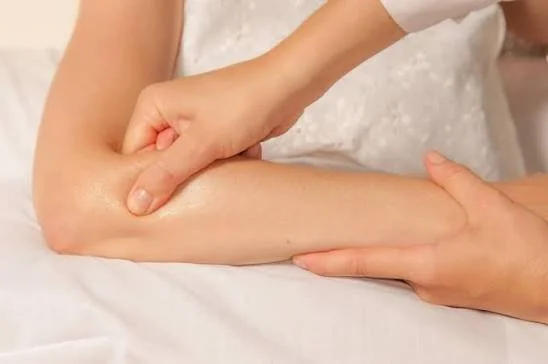
Massage therapy may be considered as a complementary option when surrounding muscle tension is contributing to discomfort. Careful work around the forearm and upper arm may support relaxation and awareness of movement patterns. The approach should be gentle and appropriate to the injury, avoiding aggressive pressure over an irritated tendon or an acutely painful area.
Charelton's Whole Body Healing offers personalized massage therapy and advanced bodywork techniques that take individual concerns into account. For people dealing with recurring upper-body tension, considering how gripping habits, shoulder positioning, and daily activities interact may help inform a more complete wellness plan.
Persistent elbow pain should not be ignored. If symptoms interfere with normal activities or fail to improve, professional assessment can help determine whether additional treatment is necessary.
Wrist and Hand Therapy Winnipeg: Supporting Grip, Flexibility and Daily Function
The wrist and hand play an essential role in almost every part of daily life. Writing, cooking, using a phone, operating a computer, gardening, and carrying shopping bags all require coordinated movement and grip strength. When pain, stiffness, swelling, or tingling develops, even small tasks can become frustrating.
Wrist and hand therapy Winnipeg may be relevant for people experiencing repetitive strain, sports-related injuries, stiffness, or difficulties using their hands comfortably. The right treatment depends on the underlying problem, which could involve tendons, joints, nerves, ligaments, or other structures.
Recovery strategies may include reducing aggravating activities, adjusting workstation ergonomics, following an appropriate exercise program, and receiving guidance from a qualified healthcare professional. Some conditions also require splinting or other specific interventions.
Therapeutic massage and bodywork may offer supportive benefits when muscle tension in the forearm or surrounding areas contributes to discomfort. However, massage alone cannot address every wrist or hand condition, and symptoms such as persistent numbness, tingling, swelling, or loss of grip strength should be assessed by a healthcare professional.
At Charelton's Whole Body Healing, the broader focus on therapeutic massage, reflexology, and movement awareness complements an individualized approach to wellness. Choosing suitable care begins with understanding the symptoms and avoiding techniques that could aggravate the affected area.
Why Personalized Care Matters During Recovery
No two injuries are exactly alike. A person experiencing shoulder stiffness after repetitive desk work may have different needs from an athlete recovering from an elbow injury or a gardener dealing with wrist discomfort. Age, activity level, previous injuries, work demands, and general health can all influence recovery.
Charelton Kubera brings extensive training in remedial massage therapy and advanced bodywork, including Structural Integration, Aston Patterning, and reflexology. This background supports an individualized approach that considers physical tension, posture, and movement habits rather than treating every client in the same way.
When choosing care, it is important to communicate clearly about symptoms, previous injuries, medical diagnoses, and activities that make discomfort worse. This information helps determine whether massage is appropriate and whether referral to another healthcare professional is needed.
For injuries requiring structured rehabilitation, a physiotherapist or other qualified clinician can recommend exercises and monitor progress. Therapeutic massage may be included when appropriate, but treatment should always complement—not replace—necessary medical care.
Everyday Habits That Can Support Upper-Body Recovery
Small changes to daily routines can make activities more manageable while a person follows an appropriate recovery plan.
Take regular movement breaks: Avoid staying in the same working position for extended periods.
Adjust your workstation: Keep frequently used items within comfortable reach and position your keyboard and mouse to reduce unnecessary strain.
Modify lifting techniques: Keep objects close to your body and avoid movements that trigger sharp or increasing pain.
Follow suitable exercises: Use strengthening and mobility exercises recommended by your healthcare professional.
Respect your symptoms: Avoid forcing painful movements or returning to demanding activities too quickly.
Prioritize rest and recovery: Adequate sleep and appropriate activity modification can support the body's natural recovery processes.
These habits are not a substitute for treatment, but they can help reduce avoidable strain and encourage better movement awareness.
Take a Whole-Body Approach to Better Movement in Winnipeg
Shoulder, elbow, wrist, and hand injuries can affect independence, work, hobbies, and quality of life. Recognizing early symptoms, understanding repetitive movement patterns, and seeking suitable professional guidance can help people make informed decisions about recovery.
For individuals researching shoulder injury rehabilitation Winnipeg, elbow injury rehabilitation Winnipeg, or wrist and hand therapy Winnipeg, Charelton's Whole Body Healing offers therapeutic massage and advanced bodywork focused on personalized care and whole-body movement awareness. With attention to individual comfort and physical needs, the practice supports clients seeking relaxation, help managing muscle tension, and a more informed approach to their wellness.
The most effective path forward begins with understanding the cause of discomfort, selecting appropriate care, and making practical changes that support daily movement. By combining professional guidance, suitable rehabilitation strategies, and thoughtful self-care, individuals can work toward improved function and a more comfortable return to the activities they enjoy.